


Ecuador
(11681 reviews) |
Scuba diving locations in Ecuador:
- The Galapagos Island are a hive of endemic species.
- Cousins Island has diving on walls, slopes and ledges, with lots of black corals, sleeping green sea turtles and 25cm-long sea horses.
- Wolf Island and Darwin Island are feeding spots for all manner of fish, big and small. See whale sharks, trumpet fish, butterfly fish and Marbled ray.
- Diving from mainland Ecuador is mainly in the Machalilla National Park, incorporating beaches, small islands and two larger islands, Salango and the small island of Isla de la Plata, which are inhabited by numerous creatures, but are especially good to see the plentiful sea lions and the massive migrations of humpback whales.
When to scuba dive in Ecuador:
All year round, but watch out for warnings of volcanic activity, flooding or earthquakes. Off the mainland, near the Isla de la Plata, dolphins and whales are often sighted between June and October. In the Galapagos Islands, from May to November, the nutrient-rich waters bring melon-headed whales, pilot whales and humpback whales on their migration route. 7mm wetsuits are recommended, but the clear thermoclines support much lower water temperatures. The sea water in the Galapagos is about 6% saltier than most ocean water, so check your weight to compensate.
Local standards for gear:
The best scuba diving spots in Ecuador:
- Off Darwin Island, you will find the beautiful arch formation, Darwin’s Arch.
- Roca Redonda , located off Isabela Island, is the ...
Based on 11681 reviews
Scuba diving locations in Ecuador:
- The Galapagos Island are a hive of endemic species.
- Cousins Island has diving on walls, slopes and ledges, with lots of black corals, sleeping green sea turtles and 25cm-long sea horses.
- Wolf Island and Darwin Island are feeding spots for all manner of fish, big and small. See whale sharks, trumpet fish, butterfly fish and Marbled ray.
- Diving from mainland Ecuador is mainly in the Machalilla National Park, incorporating beaches, small islands and two larger islands, Salango and the small island of Isla de la Plata, which are inhabited by numerous creatures, but are especially good to see the plentiful sea lions and the massive migrations of humpback whales.
When to scuba dive in Ecuador:
All year round, but watch out for warnings of volcanic activity, flooding or earthquakes. Off the mainland, near the Isla de la Plata, dolphins and whales are often sighted between June and October. In the Galapagos Islands, from May to November, the nutrient-rich waters bring melon-headed whales, pilot whales and humpback whales on their migration route. 7mm wetsuits are recommended, but the clear thermoclines support much lower water temperatures. The sea water in the Galapagos is about 6% saltier than most ocean water, so check your weight to compensate.
Local standards for gear:
The best scuba diving spots in Ecuador:
- Off Darwin Island, you will find the beautiful arch formation, Darwin’s Arch.
- Roca Redonda , located off Isabela Island, is the tip of an active volcano that rises several thousand feet from the sea floor and emerges from the water as an island. Bubbles of hydrogen sulphide percolate through the sandy bottom, a sign of the ongoing volcanic activity..
- Gordon Rock is a half submerged volcano crater off the east coast of Santa Cruz Island.
The best spots to snorkel in Ecuador:
Sante Fe Island and Floreana Island have clear waters.
Fun scuba Facts:
Although they were officially discovered in 1535 by a Spanish bishop, the islands became famous after the naturalist Charles Darwin visited during the voyage of the Beagle. Due to the number of species endemic to the islands, and their zoological isolation from the mainland, the visit contibuted to the formulation of Darwin's theory of evolution.
Country data:
Administrative details
- Currency: U.S. dollar (USD)
- Population: is about 15,000,000 (2011)
- Time Zone: varies by location ECT (GMT-5), GALT (UCT-6)
- Main languages spoken: Spanish
## Diveable overseas territories:
Ecuadorian diving federations:
Federación Ecuatoriana de Buceo y Actividades Subacuaticas (FEDASUB) is a member of Confédération Mondiale des Activités Subaquatiques (CMAS)
Local diving laws and regulations (and PADI-equivalent certifications):
For the Galapagos Islands As of Feb, 2011, it's finally official... live-aboards are no longer allowed to make any land visits (except in populated places on the final day) and diving is now limited to 3 dives per day. All dive operators, both land and liveaboard must either use a Park Marine Reserve Guide or a divemaster along with a Park Naturalist Guide. The days of just sending out divemasters are over.
Best dive spots in Ecuador
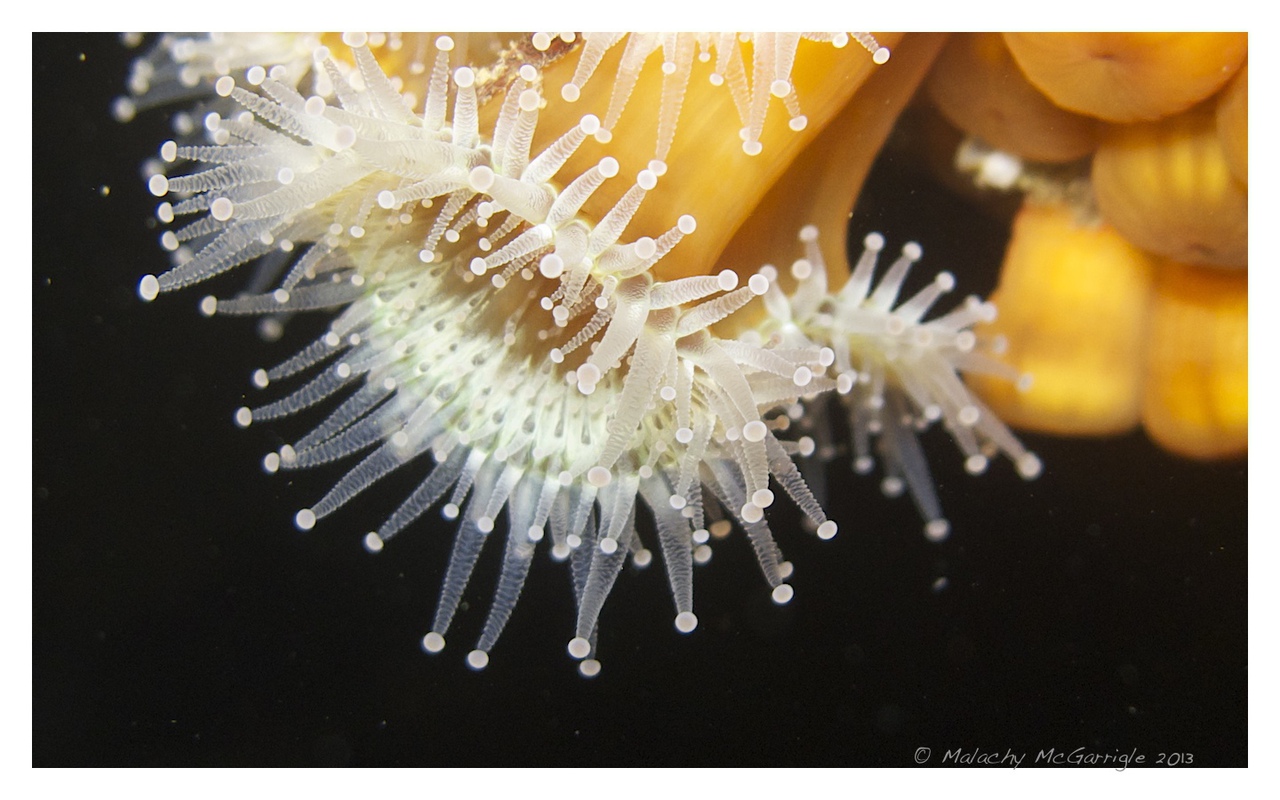
Pacific Ocean 7796 dives
North Pacific Ocean 779 dives
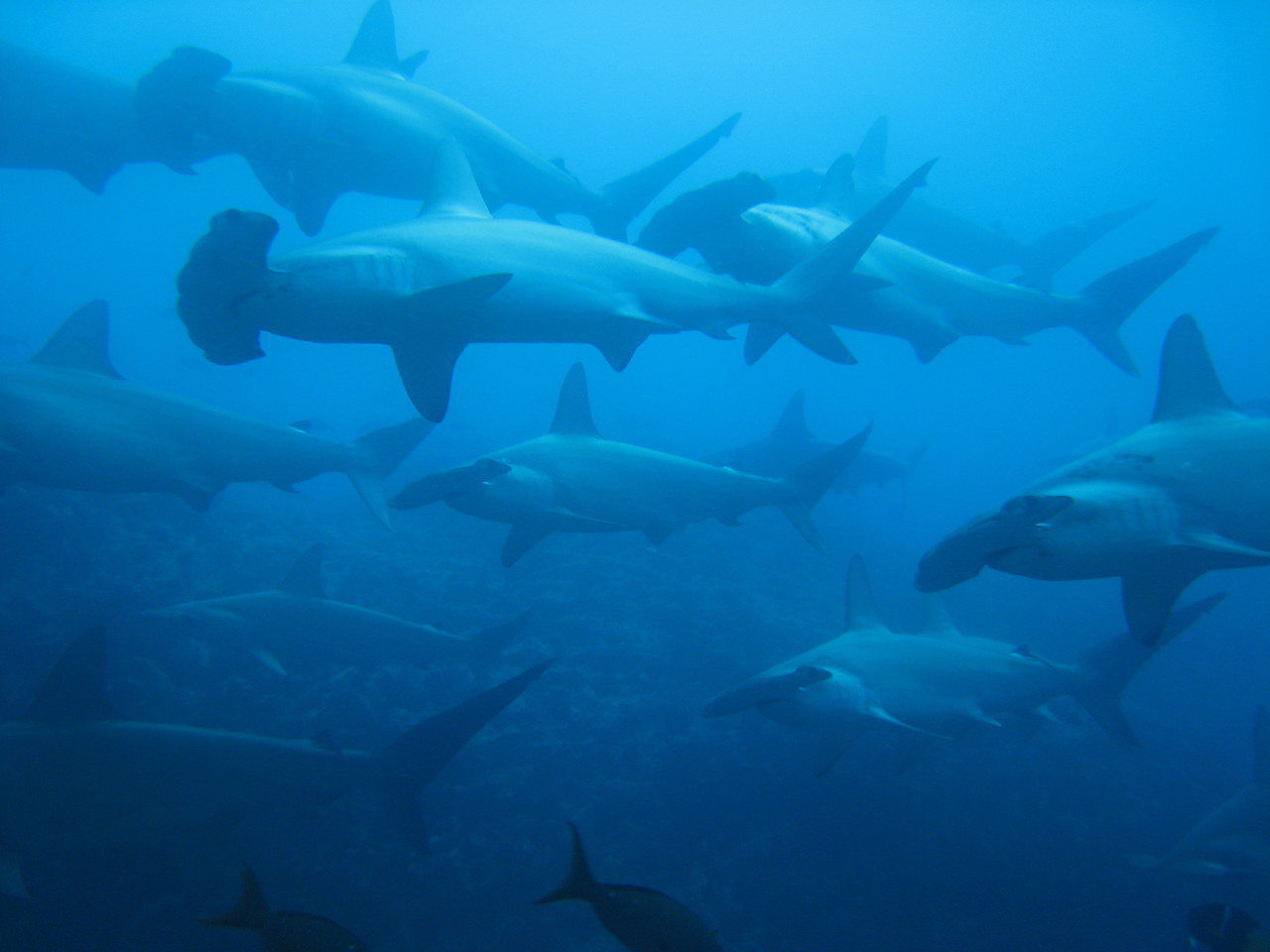
Galapagos 110 dives
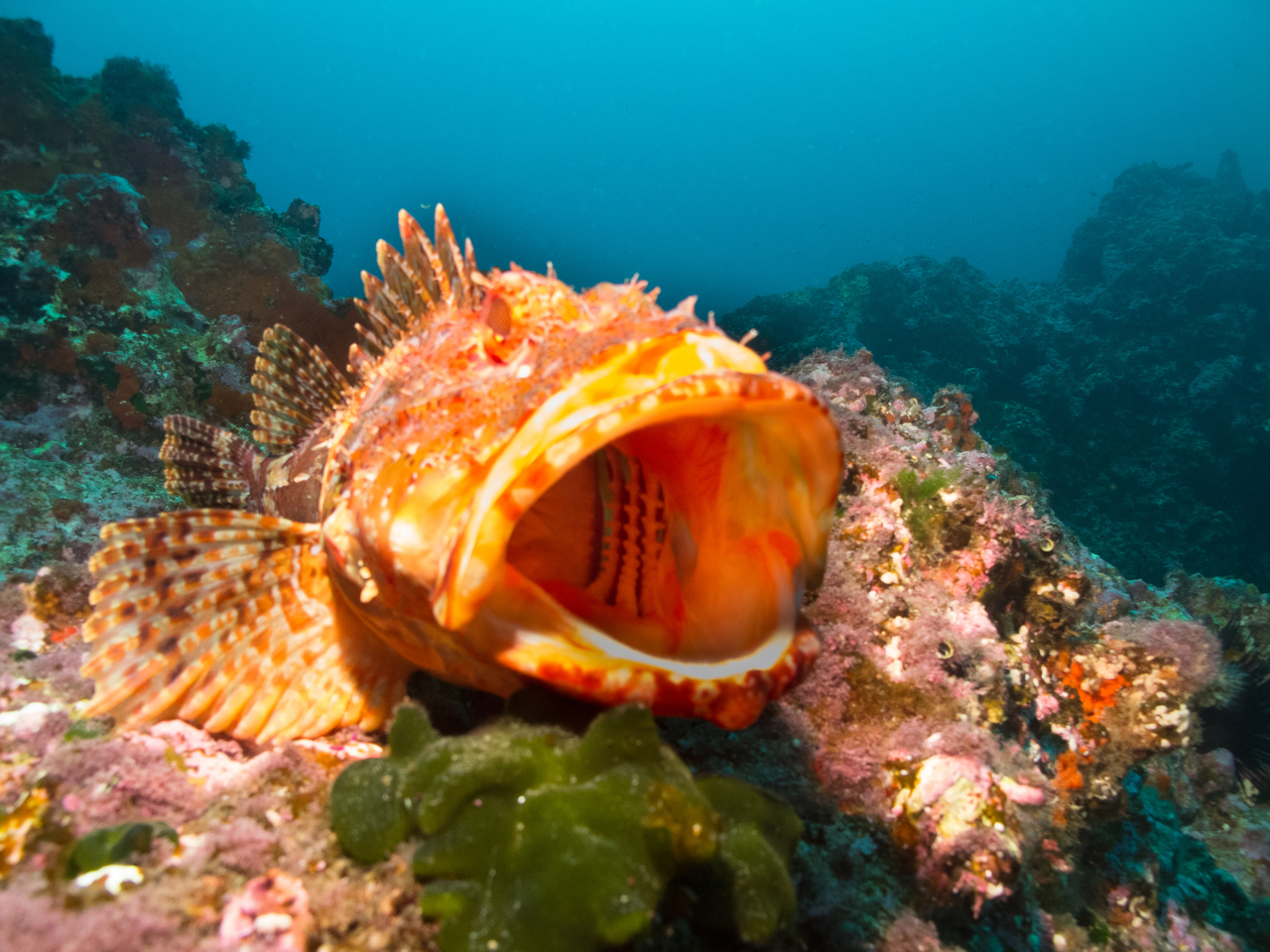
South Pacific Ocean 2805 dives
Best dive shops in Ecuador

About

The #1 place for everything scuba.
Discover destinations through divers' eyes & book your dives.
Mobile ready and fully featured with the best online logbook to share your explorations and feedbacks.
Quick Links
Change language: |
|
|
Product and services
Online Logbook |
Community and help |
About Diveboard |
 |
 |
 |
Copyright 2008-2024 Diveboard
Change language: |
|
